


Understanding Plantar Fasciitis: Beyond Foot Pain to Root Causes and Solutions
Updated: Aug 27, 2025
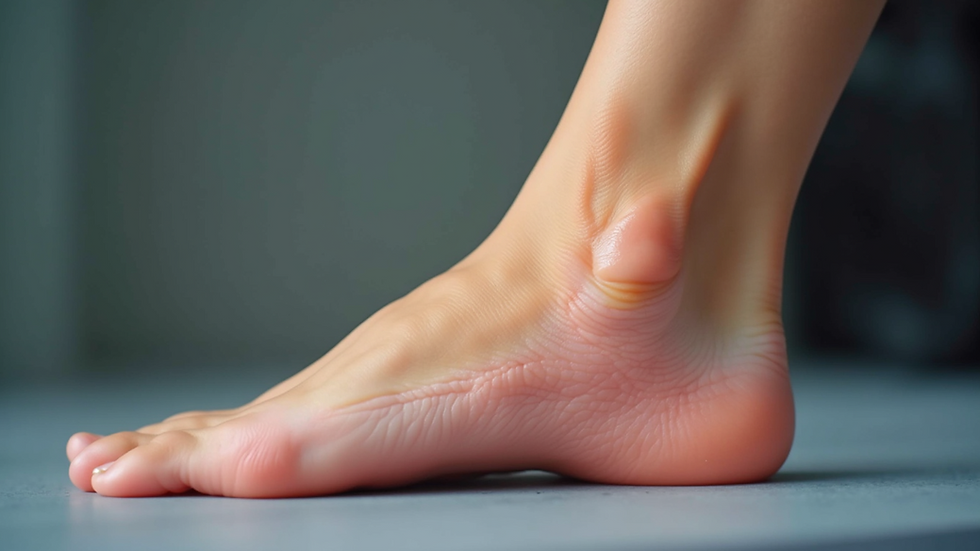
Plantar fasciitis is a common yet often misunderstood condition that affects many individuals, particularly those who are active or spend long periods on their feet. This painful injury involves the connective tissue on the bottom of the foot, known as the plantar fascia. When the foot strikes the ground, it naturally unlocks, or pronates, allowing it to adapt to various surfaces. However, improper supination—where the foot fails to unload—can lead to excessive strain, resulting in the painful symptoms associated with plantar fasciitis.
In this blog post, we will delve into the underlying causes of plantar fasciitis, examining not only the foot but also the broader implications of how other areas of the body contribute to this condition. By grasping these connections, we can outline more effective treatment strategies.
The Mechanics of the Foot
When the foot makes contact with the ground, it is designed to unlock and become mobile. This mobility is essential for adapting to different surfaces and distributing body weight evenly. As body weight presses down, the arch of the foot lowers, putting tension on the plantar fascia. This loading needs to quickly transition into an unloading phase for the foot to supinate correctly.
If the foot does not supinate effectively, the tissues on the underside remain under strain for too long, which can lead to symptoms of plantar fasciitis, such as sharp heel pain, stiffness, and discomfort, particularly in the morning.
A study by the American Orthopaedic Foot & Ankle Society found that over 90% of patients with plantar fasciitis reported significant improvement after 6 to 12 weeks of appropriate interventions, highlighting the importance of addressing foot mechanics.
Beyond the Foot: The Chain Reaction
Traditional treatments for plantar fasciitis often focus only on the foot. However, practitioners of Applied Functional Science recognize that dysfunction in other areas of the body can significantly impact foot function. The foot doesn't just pronate; it needs to supinate effectively to relieve tension.
Assessing the Affected Leg
To address plantar fasciitis successfully, evaluating the affected leg is crucial. Several factors may contribute:
Lack of Ankle Joint Dorsiflexion: A limitation in ankle flexibility can restrict proper movement during walking, running, or other activities. Research indicates that improving ankle dorsiflexion by just 5 degrees can significantly enhance gait mechanics.
Tight Calf Muscles: Calf tightness can inhibit ankle motion, contributing to foot strain. Stretching routines that target the calf can reduce strain and improve flexibility.
Weakness in Posterior-Lateral Hip Muscles: Weakness in these muscles often leads to instability in the leg, negatively affecting foot mechanics. Strengthening exercises for these muscles not only enhance overall leg stability but can also reduce the risk of plantar fasciitis.
Evaluating the Opposite Leg
Interestingly, the opposite leg can also play a role in the development of plantar fasciitis. Consider:
Limited Ankle Dorsiflexion: Restrictions in the opposite ankle can also impact gait and foot function, illustrating the interconnectedness of our body mechanics.
Hip Extension Limitations: Difficulty in hip extension can alter walking mechanics, leading to compensatory stress on the foot.
Painful or Limited Great Toe Extension: The great toe plays a crucial role in push-off during walking. Limitations can disrupt the entire movement chain, causing discomfort.
Upper Body Considerations
The upper body may influence foot function more than one might expect. Areas to evaluate include:
Loss of Thoracic Spine Motion: Limited mobility in the thoracic spine can affect overall posture, which, in turn, impacts walking mechanics.
Weak Abdominal Muscles: Core strength is essential for maintaining alignment and stability. A strong core can help distribute weight evenly across the body.
Tightness in the Upper Trapezius: This may lead to compensatory movement patterns that negatively affect the lower body, including the foot.
Finding the Root Cause
Understanding that plantar fasciitis is not just foot pain is essential for effective treatment. By identifying and addressing the root causes, individuals can create a more thorough approach to healing.
Pathway to Recovery
Plantar fasciitis is a complex condition that necessitates a comprehensive and holistic approach to treatment. Recognizing that the issue extends beyond just the foot allows individuals to pinpoint root causes and apply effective healing strategies.
If you are dealing with plantar fasciitis or wish to learn more about addressing underlying issues, consider scheduling a consultation. Together, we can explore the connections within your body and develop a personalized recovery plan tailored to your needs.
For more information or to schedule a consultation, contact me at bbd@bbdinfo.com.
Follow me on Instagram @bobfanellibbd for insights and tips on foot health and wellness.



Comments